Practice
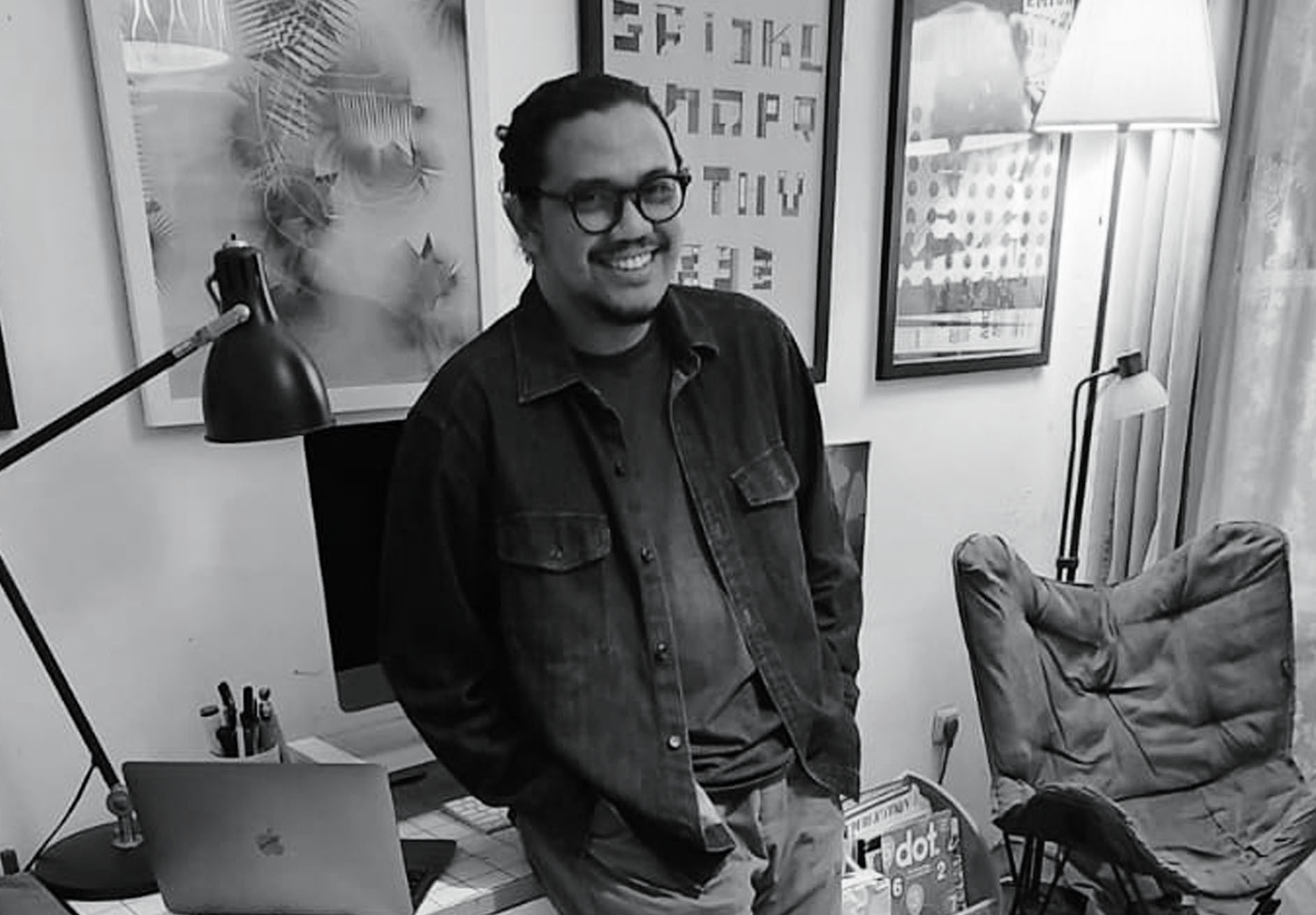
Design as a way of thinking — enabling clarity, collaboration, and meaningful change.
My practice explores how visual communication shapes meaning, public experience, and participation across social, cultural, and institutional contexts.
Rooted in editorial design and informed by over two decades of experience, my work focuses on how information is structured, narratives are experienced, and visual systems operate within public life.
Design as Narrative & Context
Design, in my practice, begins with observation, context, and narrative. It is a way of making complexity more accessible, human, and meaningful.
Whether working with social initiatives, institutional communication, publications, or campaigns, I approach design as a process of shaping understanding — translating ideas into visual forms that feel grounded, relevant, and engaging.
Narrative & Editorial Thinking
My background in editorial design strongly informs the way I approach visual communication. I am particularly interested in how information is organised, sequenced, and experienced.
Through narrative systems, publication design, and image-making, I focus on transforming complex content into accessible visual experiences that help audiences understand not only what is being communicated, but why it matters.
Working Within Systems
Much of my work takes place within NGOs, public-sector initiatives, and cultural institutions — contexts where design operates within broader systems of policy, governance, and collaboration.
In these environments, design becomes a shared language: connecting stakeholders, disciplines, and perspectives while supporting clarity, participation, and long-term relevance.
Design for Social Change
Over the years, my practice has focused extensively on projects related to public health, social protection, food security, and cultural initiatives.
These contexts require a responsible and reflective approach to communication — one that is sensitive to representation, accessibility, and lived realities. Design, in this sense, becomes a way of opening possibilities rather than imposing solutions.
Practice Areas
Editorial Systems
Narrative Design
Social Communication
Research-driven Image Making
Experience & Context
My work has increasingly evolved toward collaborative and advisory roles within NGOs, cultural institutions, and public-sector initiatives.
Working across multidisciplinary environments, I collaborate with researchers, writers, strategists, and organisations to develop communication systems that are thoughtful, contextual, and socially grounded.
Practice, for me, is not about trends or aesthetics alone, but about context, responsibility, and the possibilities design can create.